About me
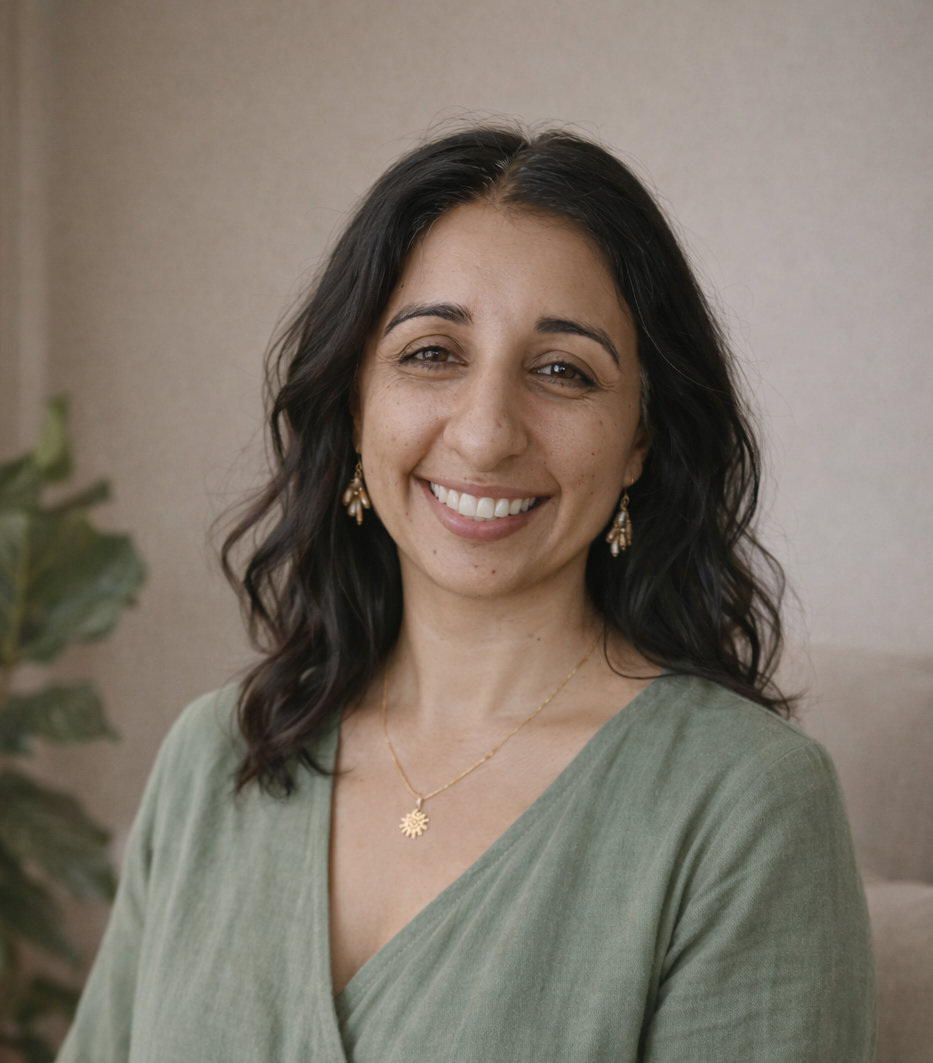
I’m a physiotherapist who supports the body to feel safer, more connected, and at home in itself — especially when pain or tension has become persistent.
My approach is grounded in physiotherapy, with a stress-first focus that recognises how the nervous system, life load, and movement habits influence pain, posture, and recovery.
Rather than chasing symptoms, I work with the body as a whole — helping it settle, reorganise, and move more naturally.
Sessions are calm, collaborative, and responsive. They may include hands-on physiotherapy, gentle nervous-system support, and movement guidance — always adapted to what your body is ready for.
Physiotherapy here is a partnership, supporting sustainable change beyond pain and symptoms
Read more below
.
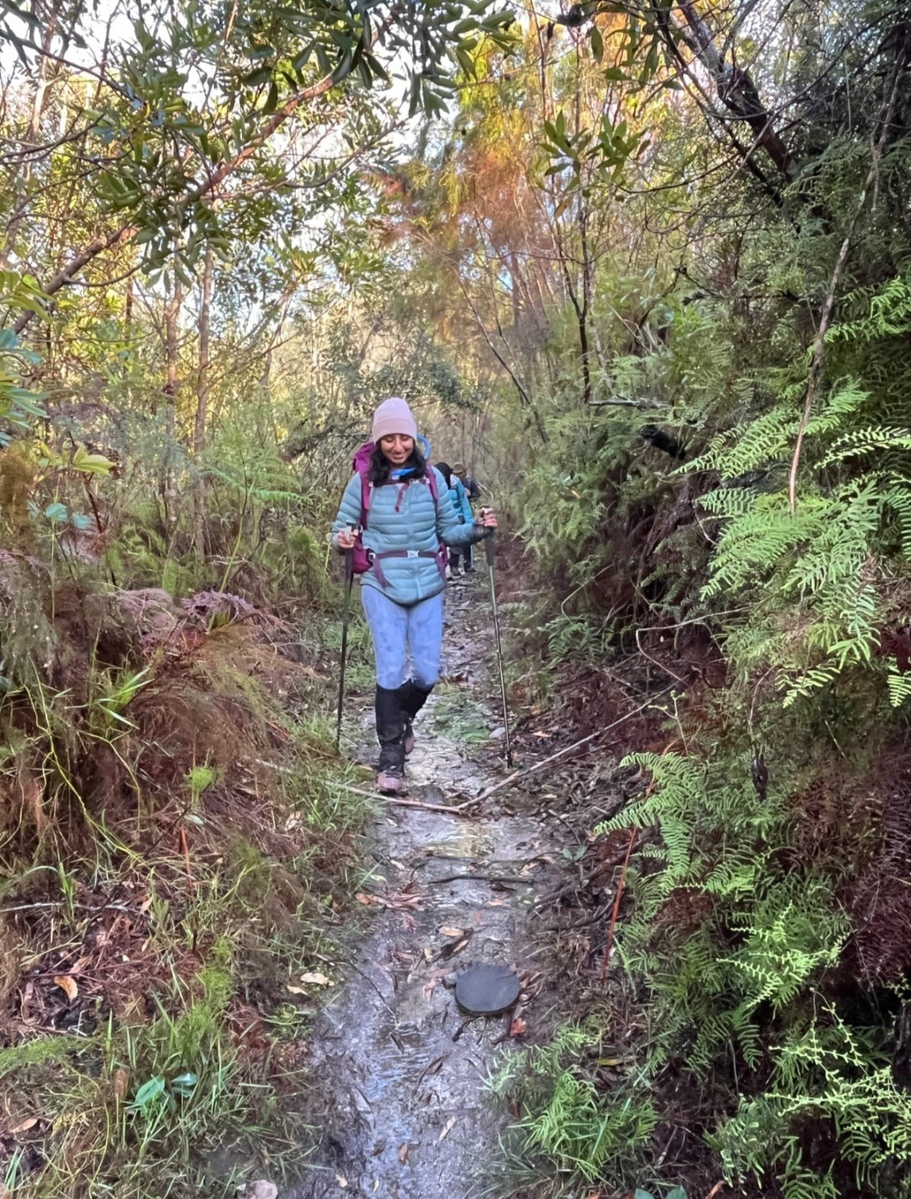
I qualified as a physiotherapist from the University of the Witwatersrand in 2007 and have worked in a variety of clinical settings with both adults and children.
My experience includes:
Over time, I noticed that many people continued to struggle despite doing “the right exercises” or following treatment plans carefully. This led me to look more closely at the role of stress, nervous-system load, and how the body adapts over time.
My work begins by helping the body downshift out of stress.
When the nervous system settles, pain sensitivity often reduces and movement becomes easier to access. From this place, posture, strength, and function can change with less strain.
Sessions are not protocol-driven. I adapt the work to what your body is ready for on the day.
Depending on your needs, sessions may include:
Rather than treating isolated areas, I work with the body as an interconnected system.
Fascia — the body’s connective tissue — plays an important role in how we move, hold tension, and recover. Addressing these patterns helps support more sustainable change, rather than repeatedly managing symptoms.
Sessions are calm, attentive, and grounded.
Many people experience physical relief alongside a clearer understanding of their bodies and how to move forward with more confidence.
You won’t be asked to push through pain or force movement. The aim is to help your body find a more supportive way of organising itself.
This approach may be helpful if:
You don’t need to be flexible, fit, or “in tune” with your body to begin. We start where you are.
Alongside my clinical work, I also write about the body, healing, and what it means to live in a more connected relationship with ourselves.
My Substack is a quieter space where I explore themes such as:
These reflections are not instructional and not prescriptive. They are offered as invitations — for curiosity, awareness, and a deeper sense of connection.
If you enjoy the reflective side of this work, you’re welcome to read along here: